
Table of Contents
Last Updated: by Devon Woods
Virtual home tours are useful for Upstate South Carolina relocation buyers, busy local buyers, and sellers who want their property presented clearly online. But a polished video or 3D model is only one source of information. The best results come from using the right type of tour for the decision being made and knowing what the camera may not show.
Know Which Type of Virtual Tour You Are Viewing
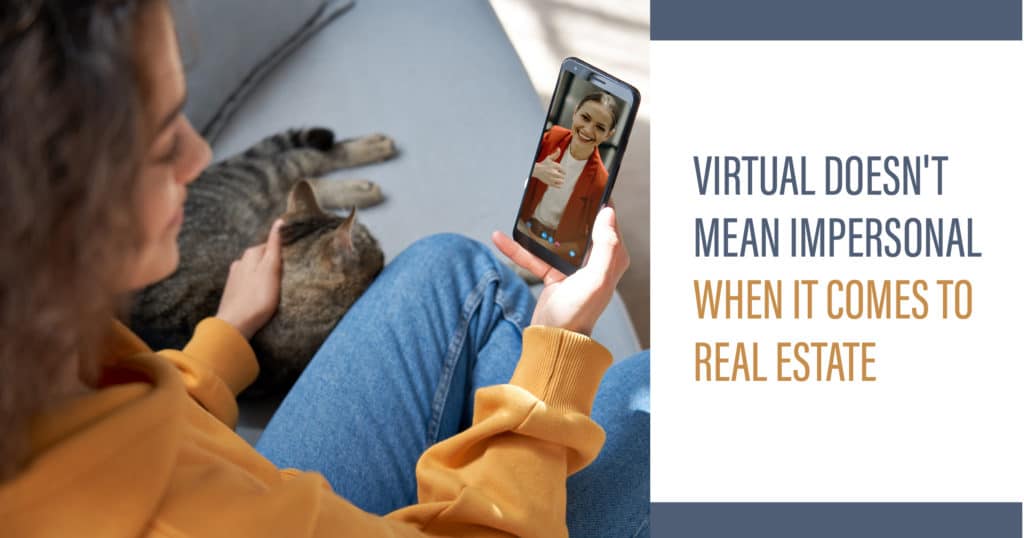
A virtual tour may be a recorded walkthrough, a 360-degree or 3D model, a live video call, or a set of narrated clips. Each serves a different purpose. A 3D tour is useful for understanding layout and room relationships. A recorded walkthrough provides a more natural sense of movement through the home. A live tour allows the buyer to direct the camera, ask questions, revisit areas, and examine details that were not selected for the marketing package.
Relocation Buyers Should Request a Live Decision-Making Walkthrough
A prerecorded tour is designed to present the home. A live walkthrough should help you evaluate it. Ask the agent to begin at the street, show the driveway and grade, walk the lot boundaries when practical, pause at major systems, open closets and cabinets with permission, and move through the home at a normal pace. The goal is not a cinematic video. It is usable information.
During the walkthrough, ask about visible staining, cracks, floor movement, window condition, odors, traffic noise, nearby construction, drainage, retaining walls, utility equipment, attic or crawl-space access, and anything that appears different from the listing photographs. A camera cannot reliably establish condition, but it can identify questions that need follow-up.
Check the Context Outside the Camera Frame
Room dimensions and finishes are only part of the decision. Relocation buyers should also verify commute routes, internet service, cellular coverage, utility providers, flood information, property restrictions, nearby land uses, school information, and planned development using appropriate independent sources. Ask for objective property and area information rather than relying on broad opinions about whether a neighborhood is “good” or “bad.”
Use Virtual Tours to Narrow the Search, Not Replace Due Diligence
A virtual tour can help a buyer eliminate poor matches and focus attention on the strongest candidates. It does not replace inspections, document review, measurements, professional advice, or contract protections. Buyers considering an offer without first visiting the property should discuss the risks, available contingencies, inspection plan, and verification needs before committing.
Sellers Should Match the Media to the Property
Not every listing needs every available media product. The plan should reflect the property, likely buyer, price range, layout, location, and marketing objectives. Professional photography is the baseline for most listings. A recorded walkthrough or 3D tour may add value when layout is a major selling point, when the property is likely to attract relocation buyers, or when buyers need more information before scheduling a trip.
Before filming, remove personal information, medications, family photographs when appropriate, valuables, security details, alarm panels, access codes, and anything else that should not be displayed publicly. Follow the same preparation principles used for photography: declutter, clean, control lighting, define each room, and correct distracting maintenance issues. Review the six-step home preparation guide before the media appointment.
Accurate Presentation Matters More Than Visual Tricks
Wide-angle lenses, aggressive editing, or virtual staging can make a listing look impressive while creating the wrong expectations. Marketing should present the home attractively without disguising scale, condition, permanent features, or material defects. When virtual staging is used, it should be clearly disclosed so buyers understand that the furniture or finishes are digital.
The tour should support the broader listing strategy rather than operate as a standalone gimmick. See how pricing, preparation, and presentation work together in making a Greenville or Spartanburg listing stand out.
Build a Repeatable Remote-Buyer Process
For a buyer moving from another state, one video call is not enough. A disciplined process may include an initial neighborhood and exterior review, a detailed live property tour, follow-up clips of specific concerns, document review, inspection coordination, repair verification when applicable, and a final walkthrough plan. The buyer should know which facts have been independently verified, which are based on observation, and which remain uncertain.
Virtual Tours Are a Tool, Not a Guarantee
A virtual tour cannot guarantee buyer interest, a particular sale price, or that a property will meet a relocation buyer’s expectations. Used correctly, it makes the decision process more efficient and transparent. Used carelessly, it can create false confidence. The value comes from the questions asked, the details shown, and the follow-up work—not simply from having a video link.
Upstate South Carolina Seller and Relocation Representation
Devon Woods, REALTOR® with XSell Upstate, provides seller strategy and relocation representation across Upstate South Carolina, with primary focus on Spartanburg and Greenville counties and secondary coverage in Cherokee and Anderson counties. Virtual tours are incorporated when they fit the property and the client’s decision process—not because every listing or buyer needs the same package.